
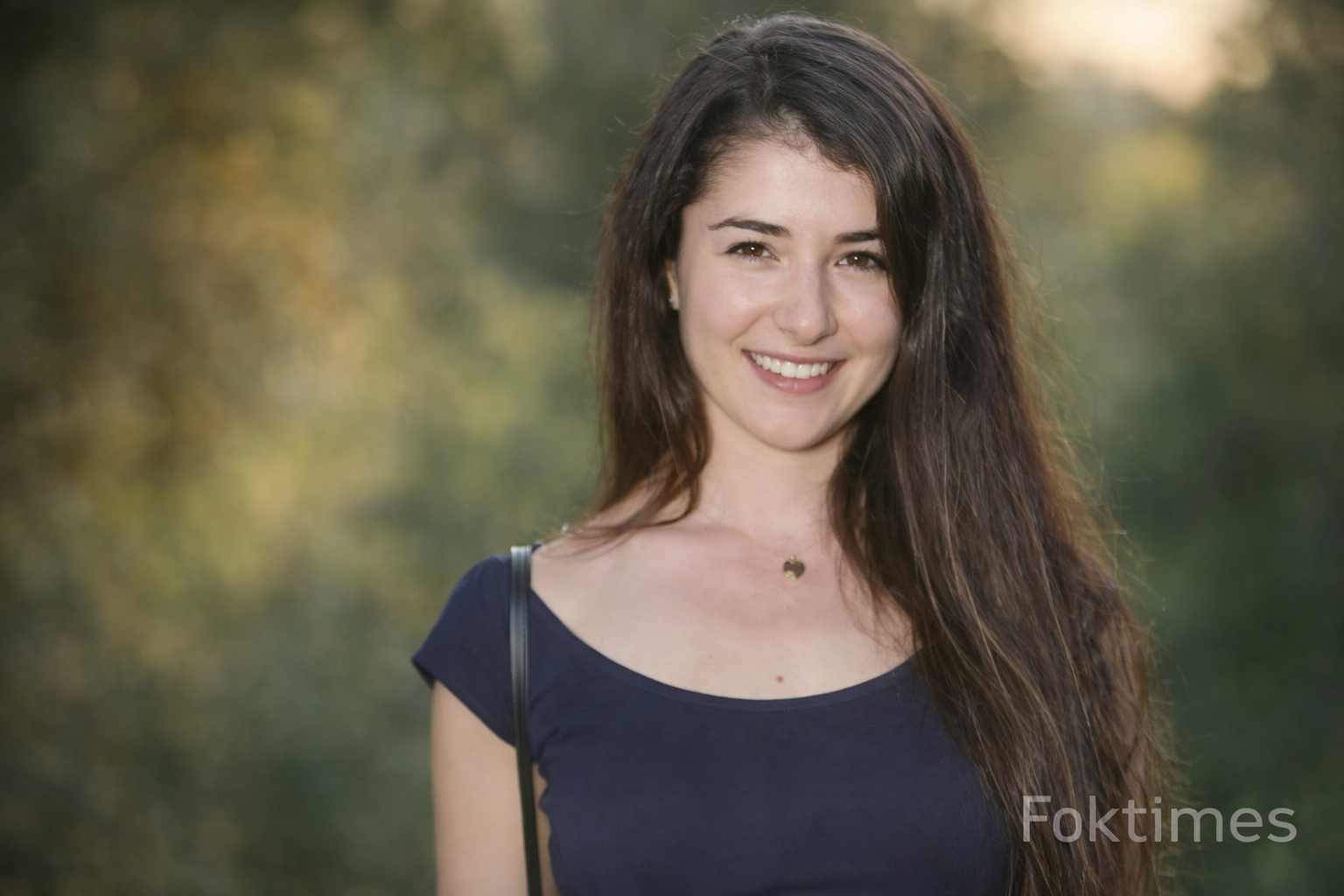
In the world of entertainment, some names shine brightly under flashing lights, while others remain quietly in the background. Vera Davich belongs to the latter category. Though often mentioned in connection with actor Scott Patterson, her own story reflects something far more compelling than celebrity association. It is a story about privacy, youth, and a life intentionally lived outside the glare of public attention.
For many readers, curiosity about Vera Davich begins with a simple search. Who was she? What happened after her brief marriage to a man who would later gain fame? Why are there so few details available about her today? These questions are natural in an era where nearly every personal detail is documented online. Yet the scarcity of information surrounding Vera Davich tells its own meaningful story.
Early Life and Background
Unlike public figures whose biographies are mapped out in detail, Vera Davich’s early life remains largely undocumented in mainstream records. There are no extensive interviews, no memoirs, and no widely published profiles outlining her upbringing or ambitions. This absence is not unusual for someone who never sought a public career.
What is generally acknowledged through entertainment reference sources is that Vera Davich was a high school classmate of Scott Patterson. Their relationship began long before Hollywood recognition entered the picture. At that time, they were simply two young people navigating the early stages of adulthood, unaware that one of them would later become a familiar face on television screens around the world.
Their story began not in Los Angeles or on a red carpet, but in the ordinary setting of teenage life. That detail alone offers context. It reminds us that before fame reshapes narratives, lives unfold in very human, very relatable ways.
Marriage to Scott Patterson
Vera Davich married Scott Patterson in 1983. At the time, Patterson had not yet achieved mainstream recognition as an actor. His career path would later include professional baseball and eventually acting, but during the early 1980s, he was still carving out his direction.
The marriage, however, was short-lived. By 1985, the couple had divorced. In later interviews, Scott Patterson has described the marriage as something that happened when they were young and not fully prepared for the responsibilities that come with long-term commitment. Youth, timing, and personal growth often shape early relationships in unpredictable ways, and theirs was no exception.
Importantly, there has never been public controversy, scandal, or dramatic public dispute attached to their separation. The end of their marriage appears to have been private and relatively quiet. In a celebrity culture that frequently amplifies conflict, that quietness stands out.
Life After Divorce
After the divorce, Vera Davich stepped entirely away from public attention. Unlike many individuals connected to rising stars, she did not pursue media interviews, capitalize on the association, or attempt to build a public persona linked to the relationship.
As Patterson’s acting career progressed, especially after his role as Luke Danes on the television series Gilmore Girls, public curiosity about his personal history naturally increased. Fans revisiting his biography would encounter the name Vera Davich and begin searching for more information. Yet very little surfaced.
There are no confirmed public social media profiles, no verified professional biographies, and no appearances in entertainment media tied to her name. Whether by choice or circumstance, she has remained outside the celebrity ecosystem.
That decision, intentional or not, has shaped her modern identity. In an era where digital footprints often define reputations, Vera Davich’s minimal online presence reflects a conscious or deeply rooted preference for privacy.
Understanding the Context of the 1980s
To fully appreciate Vera Davich’s story, it helps to consider the time period in which her marriage occurred. The early 1980s were vastly different from today’s hyperconnected digital age. Celebrity culture existed, but it was not yet amplified by social media, viral headlines, or constant online commentary.
When Patterson married Davich in 1983, there were no Instagram archives, no podcast interviews dissecting personal histories, and no fan-driven digital investigations. Personal lives could remain personal. Marriages could happen quietly. Divorces could conclude without becoming trending topics.
Therefore, the limited information about Vera Davich is not necessarily mysterious. It reflects the norms of the time. Many individuals who were briefly connected to future public figures simply continued with their lives outside the public eye.
The Reality of Being a Private Individual Linked to Fame
There is a unique challenge faced by individuals who become publicly known primarily through association. Their identity becomes partially defined by someone else’s success. Yet they may have no interest in participating in that narrative.
Vera Davich represents this dynamic clearly. While her former husband’s career developed into television recognition and fan admiration, she remained removed from that journey. This separation underscores an important distinction: proximity to fame does not require participation in fame.
In fact, her absence from public life may be one of the most defining aspects of her story. She did not seek interviews to share her perspective. She did not publish reflections on young marriage or personal growth. She allowed her chapter in public biography to remain brief and understated.
That restraint is unusual in a culture increasingly built on visibility. It also invites reflection on how much information the public truly needs about someone who never pursued celebrity.
Public Curiosity in the Digital Era
Search interest in Vera Davich has grown over time, largely because fans of Scott Patterson often revisit his early life. Television audiences form emotional connections with actors and characters. Naturally, they become curious about the people who shaped those actors’ early experiences.
However, the modern internet also creates an illusion that every question must have a detailed answer. When details are scarce, speculation sometimes fills the gap. Numerous online articles repeat similar statements without new verified information. This repetition can make assumptions feel factual, even when they are not supported by primary sources.
In the case of Vera Davich, the most consistent and verifiable information remains straightforward: she married Scott Patterson in 1983 and divorced him in 1985. Beyond that, confirmed details are minimal.
Recognizing that boundary is important. Biography writing carries responsibility. When the subject has not chosen public life, careful distinction between verified fact and speculation becomes essential.
Scott Patterson’s Later Career and Its Impact on Interest
Scott Patterson’s eventual rise to prominence, particularly through Gilmore Girls, reshaped interest in his past relationships. As Luke Danes became a beloved television character, fans naturally looked into the actor’s personal history.
With that renewed interest came rediscovery of his first marriage. Yet because the marriage occurred before Patterson’s most visible success, it was never extensively documented in entertainment journalism. This timeline explains much of the limited archival material available today.
It also highlights how fame often retroactively illuminates past relationships. Individuals who once lived entirely ordinary lives may find their names resurfacing years later due to someone else’s professional achievements.
A Story Defined by Privacy
Perhaps the most meaningful aspect of Vera Davich’s biography is the lesson it offers about privacy. Not every life connected to public recognition must evolve into a public narrative. Some individuals choose discretion over exposure, anonymity over recognition.
In today’s environment, where personal branding is common and digital sharing feels almost expected, that choice stands out. It reflects the possibility of defining one’s identity independently of former associations.
Vera Davich’s story is therefore less about dramatic events and more about boundaries. Her name appears in historical records of marriage and divorce. Beyond that, she has allowed her life to remain her own.
Conclusion
Vera Davich remains a figure of quiet intrigue, not because of scandal or public controversy, but because of absence. Her brief marriage to Scott Patterson between 1983 and 1985 represents a chapter in both of their early lives. After that chapter closed, she stepped away from public attention entirely.
What makes her story compelling is not hidden drama, but the simplicity of it. In a culture where visibility often equals value, Vera Davich’s biography reminds us that some lives are meant to be lived privately. Her connection to fame was brief, her public record limited, and her personal journey largely her own.
In the end, perhaps the most respectful way to understand Vera Davich is to acknowledge what is known, accept what is not, and recognize that privacy, too, is a powerful choice.