
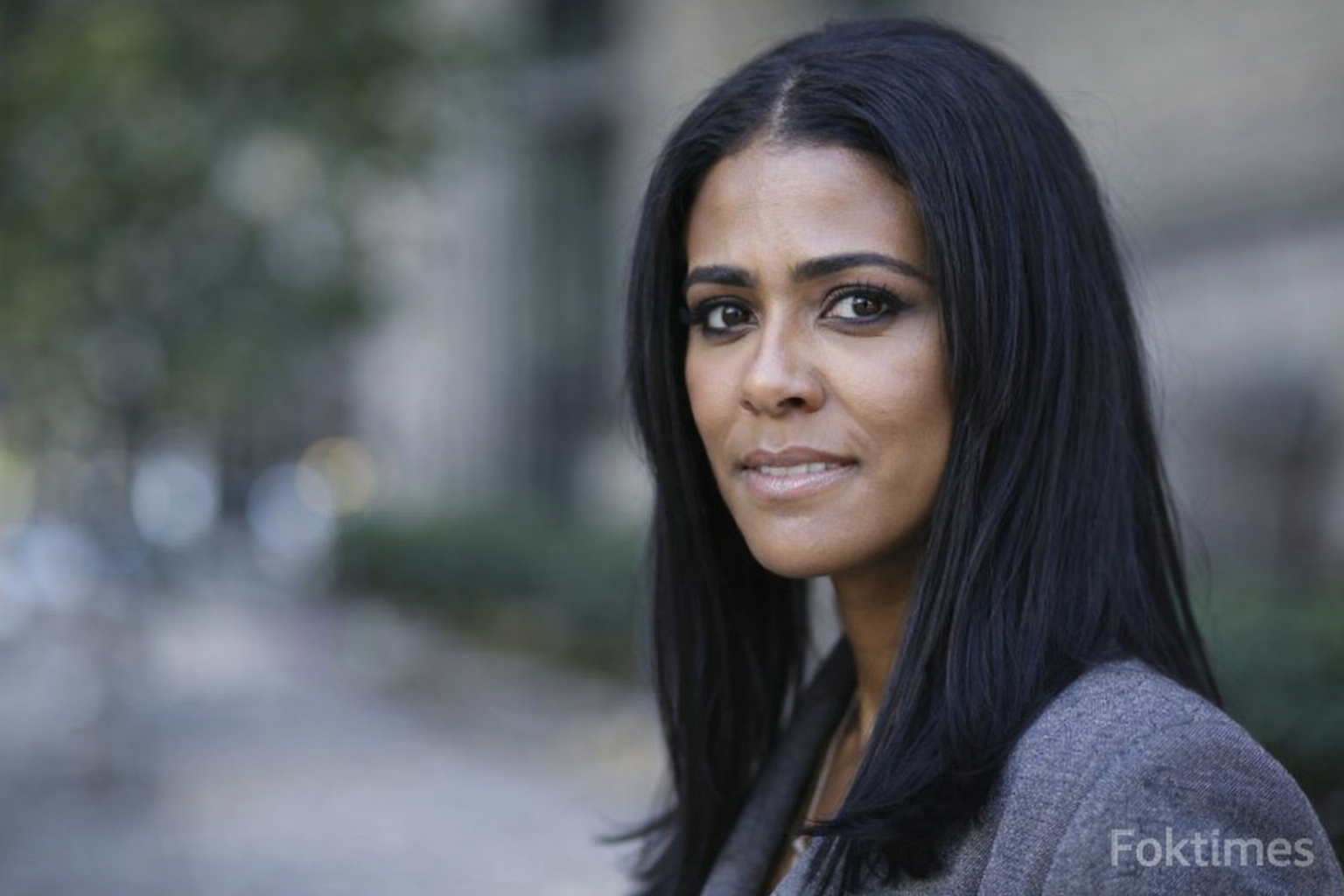
Tyna Robertson’s name has surfaced in public conversations for years, often linked to legal disputes and high-profile figures. Yet behind the headlines and court filings is a human story shaped by relationships, motherhood, media scrutiny, and resilience. While she has never positioned herself as a celebrity, her life has intersected with public figures in ways that brought unexpected attention.
This biography-style article explores what is publicly known about Tyna Robertson, her background, her role as a mother, and the legal and personal chapters that placed her in the spotlight.
Early Life and Private Beginnings
Unlike public personalities who build careers in entertainment or sports, Tyna Robertson did not emerge through a professional platform. Details about her early life, upbringing, and education remain largely private. That absence of public biography is significant. It suggests that before media coverage and legal disputes, she lived a relatively ordinary life outside national attention.
In many ways, Robertson represents a type of public figure created not by choice, but by circumstance. When personal relationships involve well-known individuals, privacy can quickly become fragile. This dynamic would later shape much of how her name appeared in news reports.
Relationship With Brian Urlacher
Tyna Robertson became widely known through her relationship with former NFL linebacker Brian Urlacher. The two share a son, Kennedy Urlacher, born in 2005. At the time, Urlacher was one of the most recognizable defensive players in professional football, which meant that any personal matter involving him carried media interest.
Their relationship eventually ended, and legal disputes over custody and visitation followed. In 2007, reports surfaced describing court-ordered parenting classes for both parents amid disagreements about visitation arrangements. Although such disputes are not uncommon among separated parents, the involvement of a high-profile athlete ensured national coverage.
For Robertson, this marked the beginning of sustained public attention. She was no longer simply a private individual navigating co-parenting; she became part of a story consumed by sports media audiences.
Motherhood and Public Scrutiny
At the center of the legal discussions was her role as a mother. Kennedy Urlacher grew up largely outside the spotlight during his early years, but as he matured and pursued athletics, interest in his family background increased.
Motherhood under public scrutiny carries unique pressure. Custody proceedings that might otherwise remain confidential were reported in local and national outlets. Court dates, filings, and allegations became searchable content.
Despite the intensity of media coverage, Robertson maintained her position as a central figure in her son’s life. The complexities of co-parenting in high-conflict circumstances are rarely simple. They involve legal systems, emotional strain, and long-term consequences for all parties involved.
The Tragic Death of Ryan Karageorge
A significant and deeply personal chapter in Robertson’s life occurred in 2016 with the death of her husband, Ryan Karageorge. His passing drew media attention, especially because it coincided with renewed custody discussions involving her son.
The tragedy became intertwined with legal proceedings, increasing public scrutiny once again. Reports at the time covered emergency petitions and temporary custody arrangements. For Robertson, this period was marked not only by grief but also by legal challenges that unfolded publicly.
Loss, particularly under public observation, can intensify personal strain. While media outlets focused on procedural developments, the emotional dimensions of such a loss often remain unreported.
Legal Disputes and Public Record
Tyna Robertson’s name also appears in legal records beyond custody matters. One of the most widely referenced cases connected to her name is the California Supreme Court case Flatley v. Mauro. Although the legal issues primarily centered on anti-SLAPP law and alleged extortion claims, her name became part of a broader legal narrative.
The case gained attention within legal communities and remains cited in discussions of First Amendment protections and the limits of litigation tactics. While Robertson herself was not the central legal authority in the ruling, her involvement ensured her name would remain in searchable court archives.
Later federal filings under the name Tyna Karageorge, formerly known as Tyna Robertson, further complicated the public record. Name changes, marriage, and legal documentation often create confusion in online searches, particularly when media outlets continue to use earlier names.
Identity and Name Changes
At various points in public reporting, Robertson has been referred to as Tyna Karageorge. Official court documents have identified her as formerly known as Tyna Robertson. This detail, while administrative in nature, has contributed to fragmented online narratives.
In the digital age, identity becomes searchable history. A name change does not erase previous headlines, and search engines often combine past and present records. For individuals who did not seek public visibility, this can make moving forward more complex.
Kennedy Urlacher’s Rising Profile
In recent years, renewed interest in Tyna Robertson has emerged because of her son’s athletic career. Kennedy Urlacher pursued college football and gained recognition as a defensive player. As his profile grew, audiences naturally searched for background information about his parents.
This pattern is common in sports culture. When the child of a former professional athlete enters competitive athletics, curiosity extends beyond performance statistics to family history. As a result, earlier legal and custody coverage resurfaced in search results.
For Robertson, this meant that chapters from more than a decade earlier reentered public conversation.
Living in the Shadow of Headlines
One of the defining features of Tyna Robertson’s public narrative is that it has largely been framed through legal events rather than personal achievements. Unlike entertainers or entrepreneurs who shape their own public image, she has primarily appeared in news coverage tied to disputes and court rulings.
This dynamic raises broader questions about how media narratives form. When an individual becomes associated with controversy, even indirectly, that association can overshadow other aspects of their life. Personal growth, professional work, and private resilience often remain unreported.
It is important to recognize that court records tell only part of a person’s story. They capture conflict, not character. They document disputes, not daily life.
Media, Privacy, and Modern Search Culture
The internet has a long memory. Once a name appears in legal filings or news coverage, it becomes part of a digital archive that can resurface years later. For Tyna Robertson, this reality means that past legal battles remain easily accessible to new audiences.
At the same time, public curiosity often focuses on dramatic elements rather than nuance. Custody disputes, tragic deaths, and high-profile relationships generate clicks. However, the lived experiences behind those headlines involve far more complexity.
In recent years, conversations about privacy rights and digital permanence have gained traction. Robertson’s public footprint reflects this modern challenge. She did not cultivate celebrity, yet her life became searchable through proximity to it.
A Human Story Behind Legal Records
Ultimately, Tyna Robertson’s biography is less about fame and more about endurance. She navigated motherhood, public scrutiny, personal loss, and extended legal proceedings in a landscape shaped by media attention.
Her story illustrates how quickly private life can intersect with public record. It also shows how identity can become layered through relationships, name changes, and court documentation.
While many details of her personal and professional life remain private, what is visible reveals a woman who has faced sustained challenges under public observation.
Conclusion
Tyna Robertson’s life, as reflected in public records and media coverage, is a reminder that not all public figures seek the spotlight. Sometimes visibility arrives through circumstance rather than ambition.
Her story intersects with professional sports, legal precedent, and personal tragedy. Yet at its core, it is about family, resilience, and the complexities of living under scrutiny.
In a digital era where headlines linger indefinitely, understanding the person behind the search term requires empathy as well as factual clarity. Tyna Robertson’s biography may not be defined by celebrity status, but it remains a compelling narrative shaped by both challenge and strength.