
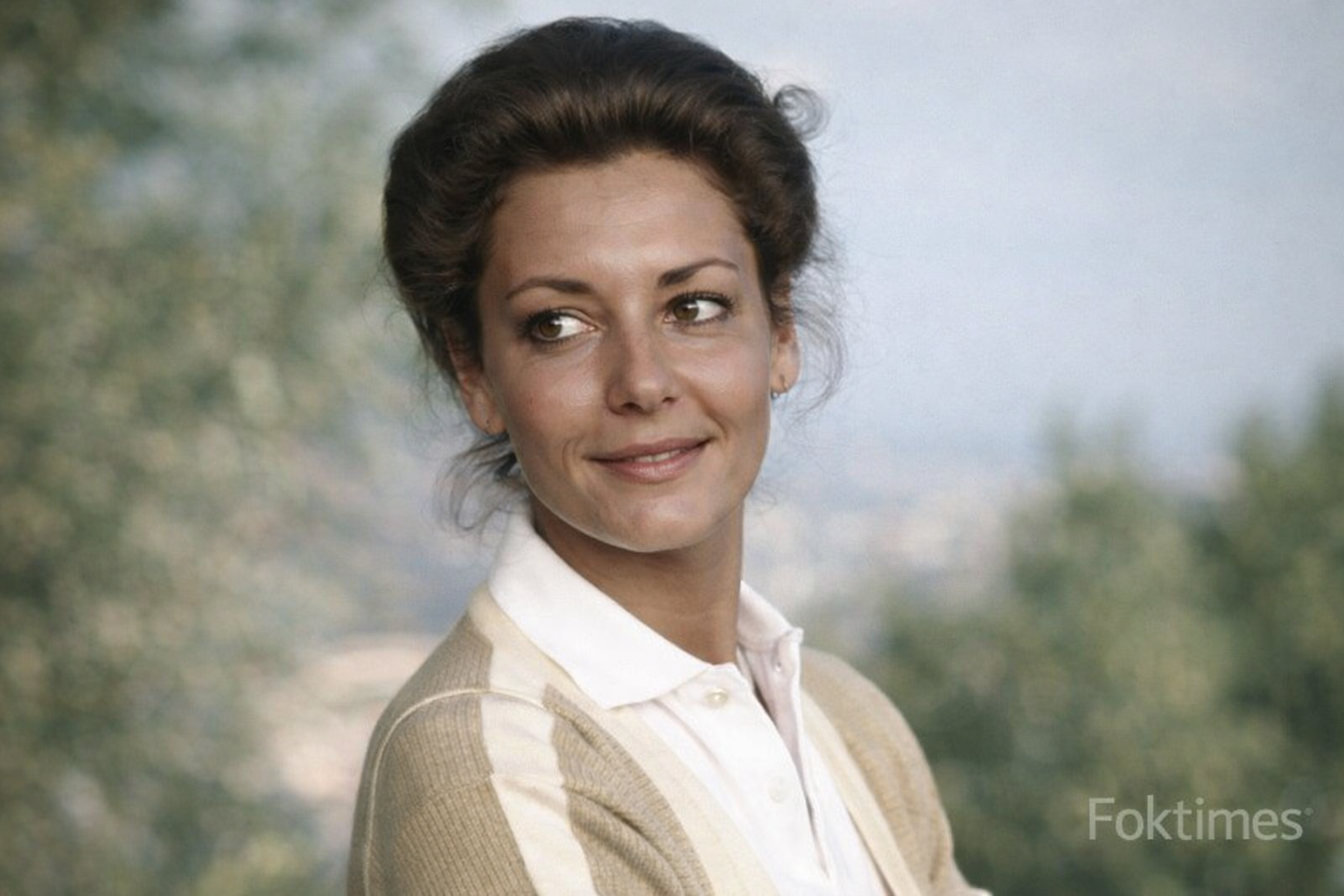
In the high-speed world of Formula 1, where engines roar and reputations are built in seconds, there are also quieter stories unfolding behind the scenes. One of those stories belongs to Marlene Knaus. Known primarily as the first wife of legendary racing driver Niki Lauda, Marlene Knaus has remained a figure of curiosity for decades. Yet, unlike many connected to global fame, she chose a path of privacy over publicity.
Her life is not defined by headlines, interviews, or public appearances. Instead, it is defined by resilience, discretion, and strength during one of the most dramatic eras in motorsport history. This biography-style account explores who Marlene Knaus is, her relationship with Niki Lauda, her role as a mother, and the quiet legacy she carries.
Early Life and Background
Details about Marlene Knaus’s early life remain largely private, which reflects the consistent theme of her adulthood. While many public figures have detailed biographies documenting childhood, education, and early ambitions, Marlene has kept those chapters out of the public eye.
What is known is that she lived in Europe during the rise of Formula 1’s golden era in the 1970s. At a time when the sport was expanding rapidly and drivers were becoming international celebrities, Marlene entered a world that blended glamour with real danger.
Her understated presence would later contrast sharply with the intense spotlight surrounding her husband. This difference shaped how the public perceived her—not as someone seeking fame, but as someone navigating it carefully.
Meeting Niki Lauda
Marlene Knaus became widely known after beginning a relationship with Austrian racing driver Niki Lauda. During the mid-1970s, Lauda was not just another competitor; he was redefining professional racing with his analytical mindset and relentless discipline.
Their relationship developed during a period when Formula 1 drivers were transitioning from daredevils to elite professional athletes. Lauda’s career was accelerating quickly, and with it came global recognition. Marlene entered his life as he was becoming one of the most talked-about drivers in the world.
In 1976, the couple married. It was a pivotal year not only in their personal lives but also in motorsport history.
Marriage During Formula 1’s Most Dramatic Era
The year 1976 remains one of the most intense seasons in Formula 1 history. It was marked by fierce rivalry and, most notably, Lauda’s near-fatal crash at the Nürburgring. The accident left him with severe burns and life-threatening injuries.
For the public, the story became one of heroism and extraordinary comeback. For Marlene Knaus, however, it was deeply personal. She witnessed the trauma not as a spectator but as a wife. The emotional toll of that period cannot be overstated. Recovery was not only physical but psychological.
Lauda returned to racing just weeks after the crash, an act that cemented his legend. Behind that determination was a support system that included Marlene. While she did not speak publicly about those months, her presence during that critical time was significant.
Their marriage existed in the shadow of risk. Formula 1 in the 1970s was far more dangerous than it is today. Drivers faced extreme hazards each race weekend. For families, this meant living with constant uncertainty.
Family Life and Motherhood
During their marriage, Marlene Knaus and Niki Lauda welcomed two sons, Mathias and Lukas. Motherhood added another dimension to her life, one that required balancing family stability with the demands of an international racing schedule.
Raising children while being connected to a global sports figure brings unique challenges. Travel schedules were demanding. Media attention was constant. Yet Marlene maintained a notably private approach to family life.
Their son Mathias later followed in his father’s footsteps and pursued a racing career. Lukas became closely involved in managing his brother’s professional activities. Despite the family’s continued connection to motorsport, Marlene remained largely outside the public narrative.
Her role as a mother appears to have been grounded in protection and normalcy. While her husband’s career unfolded on racetracks around the world, she focused on creating stability at home.
The Strains of Public Life
Life in the public eye can be glamorous from a distance, but it often carries pressures that are invisible to outsiders. The demands of professional sport, constant travel, media scrutiny, and evolving personal ambitions can strain even strong relationships.
After fifteen years of marriage, Marlene Knaus and Niki Lauda divorced in 1991. The reasons behind their separation were never fully detailed in public statements, and both maintained discretion about their private matters.
Their divorce marked the end of a significant chapter in both their lives. Yet, even after the separation, Marlene continued to avoid interviews and public commentary. She did not attempt to redefine herself through media appearances or public narratives. Instead, she chose quiet independence.
Life After Divorce
One of the most intriguing aspects of Marlene Knaus’s story is what happened after her divorce. In an era when many individuals connected to celebrities leverage their visibility into business ventures or media careers, Marlene did the opposite.
She stepped away from the spotlight.
Public records and verified biographies provide limited details about her later years. This absence of information is not accidental; it reflects deliberate privacy. In today’s digital age, maintaining such discretion is increasingly rare.
Her post-divorce life appears to have centered on personal stability and family. While Niki Lauda continued to build a career in aviation and Formula 1 management before his passing in 2019, Marlene remained outside public headlines.
Public Curiosity and Lasting Interest
Despite her preference for privacy, public curiosity about Marlene Knaus persists. Interest often resurfaces during anniversaries of Lauda’s career milestones or after the release of films and documentaries that revisit Formula 1’s dramatic history.
The 2013 film portraying the rivalry between Lauda and James Hunt introduced a new generation to that era. As audiences explored the personal lives of those involved, attention naturally extended to Marlene.
Yet what makes her compelling is not controversy or scandal. It is restraint. In a culture where personal branding dominates, she represents an alternative path.
A Study in Privacy and Strength
Marlene Knaus’s biography may not be filled with public speeches or professional accolades, but it reflects a different kind of strength. Living alongside one of motorsport’s greatest icons required resilience. Supporting a spouse through life-threatening injury required emotional endurance. Raising children within that environment required balance and focus.
Her story challenges modern assumptions about visibility. Today, fame often extends to anyone connected to a well-known figure. Social media amplifies every association. Yet Marlene maintained boundaries long before digital privacy became a widespread concern.
There is dignity in that choice.
Legacy and Reflection
When discussing figures linked to sporting legends, it is easy to reduce them to supporting characters. However, every public icon has a private ecosystem of relationships that shape their journey.
Marlene Knaus was part of Niki Lauda’s life during his most defining years. She stood beside him during triumph and trauma. She helped build a family that remains connected to motorsport today.
Her legacy is not loud, but it is lasting.
Conclusion
Marlene Knaus remains an intriguing figure precisely because she resisted becoming one. As the former wife of Niki Lauda, she experienced life at the center of Formula 1’s most dramatic era. She witnessed historic victories, survived unimaginable challenges, and raised a family amid global attention.
Yet she never allowed fame to define her identity.
In a world increasingly driven by exposure, Marlene Knaus’s life offers a quiet reminder that privacy can be powerful. Her biography is not one of spectacle, but of steadiness. And sometimes, steadiness is the most remarkable story of all.