
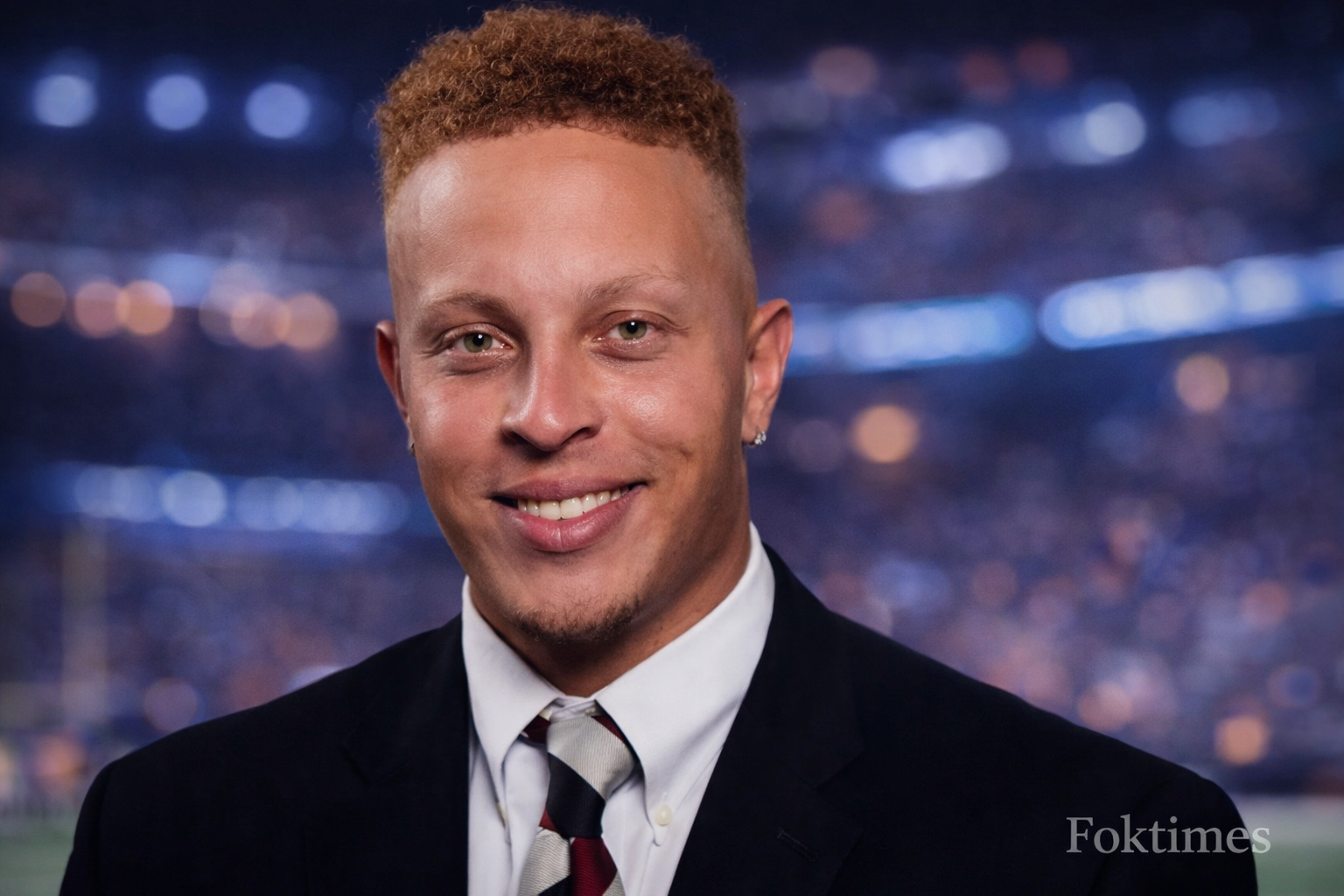
In the world of American football, the spotlight rarely shines on parents. Stadium lights are reserved for quarterbacks, coaches, and championship moments. Yet behind many rising stars stands a quiet, steady presence shaping character long before fame arrives. Mike Rattler is one of those figures.
Known publicly as the father of NFL quarterback Spencer Rattler, Mike Rattler has remained largely private while playing a meaningful role in his son’s athletic and personal development. While headlines focus on passing yards, draft rounds, and team transitions, the foundation of any athlete’s journey often begins at home.
This biography-style profile explores what is known about Mike Rattler, the family environment that helped shape a top-tier quarterback, and the modern realities of sports parenting in an era of recruiting pressure and professional expectations.
Early Life and Background
Mike Rattler has maintained a relatively low public profile throughout his life. Unlike many sports parents who seek media attention, he has largely stayed outside the headlines. Public information identifies him as the father of Spencer Rattler and husband to Susan Rattler, with the family based in Arizona during Spencer’s formative football years.
Though detailed professional records about Mike Rattler are not widely published, what emerges consistently from media coverage is the image of a father deeply involved in his son’s upbringing. In youth sports culture, that involvement often includes long practices, weekend tournaments, private coaching coordination, and constant emotional reinforcement.
In highly competitive football environments like Arizona’s high school circuit, parental stability can be just as critical as physical training. By the time Spencer Rattler was becoming a national quarterback prospect, the groundwork had already been laid.
Family Life and Parenting Philosophy
Parenting a competitive athlete requires balance. Too much pressure can suffocate potential, while too little structure can limit growth. Observers of the Rattler family often describe a household that valued discipline and resilience without losing sight of education and character.
Spencer Rattler attended Pinnacle High School in Phoenix, where he broke state passing records and established himself as one of the nation’s elite quarterback prospects. Achievements at that level do not happen overnight. They typically result from years of repetition, planning, and consistent family support.
Although Mike Rattler has not positioned himself as a public commentator, his steady presence at games and recruiting milestones reflects a father committed to showing up. In youth sports culture, showing up consistently often matters more than grand speeches or public praise.
Supporting a Rising Star in High School
High school football in Arizona can be intensely competitive, particularly for quarterbacks. Spencer Rattler threw for more than 11,000 yards during his high school career, an achievement that attracted national recruiting attention. As recruiting interest grew, so did outside opinions.
During these years, a parent’s role becomes increasingly complex. College recruiters call frequently. Media outlets begin profiling young athletes. Social media commentary grows louder. Navigating those forces requires maturity not only from the player but from the family.
Mike Rattler’s approach appeared grounded. There were no viral interviews or headline-grabbing statements. Instead, the public narrative showed a family focused on preparation and performance rather than spectacle. That stability likely provided a sense of normalcy as expectations escalated.
College Years and Public Scrutiny
Spencer Rattler’s college career included both triumph and adversity. As a highly rated recruit, he entered college football under significant pressure. In today’s era of televised debates and social media analysis, quarterbacks are judged quickly and often harshly.
For parents, this stage can be especially challenging. Criticism is no longer limited to the bleachers. It appears in trending topics and comment sections. Every performance is dissected in real time.
While Mike Rattler remained largely private during these moments, the continued family presence signaled support rather than retreat. When athletes face setbacks, consistent backing from family can provide emotional stability that statistics cannot measure.
College athletics in the NIL era has also transformed the parental role. With name, image, and likeness opportunities becoming part of the equation, families often find themselves navigating contracts, branding decisions, and long-term financial considerations. Even when advisors are involved, parents remain key voices in protecting their child’s interests.
Transition to the NFL
When Spencer Rattler entered the NFL Draft and was selected by the New Orleans Saints in 2024, it marked a milestone not only for him but for the entire family. The draft process is demanding. It includes interviews, evaluations, private workouts, and months of uncertainty.
For parents, the draft represents both culmination and new beginning. Years of sacrifice lead to a professional opportunity, yet the environment becomes even more competitive. Roster spots are fragile. Performance windows are narrow.
Throughout this transition, Mike Rattler’s role shifted from developmental guide to steady anchor. At the professional level, athletes often rely on family to provide perspective beyond contracts and depth charts. The emotional support system remains essential even when the athlete is earning a salary.
The Modern Reality of Sports Parenting
Mike Rattler’s story also reflects broader changes in American football culture. The pathway from youth leagues to professional stadiums is now more structured and more intense than ever before. Private quarterback coaches, national showcases, and year-round competition have raised expectations for families.
Parents are no longer simply spectators. They coordinate travel, evaluate training programs, manage academic priorities, and sometimes help oversee financial planning. The emotional load can be heavy. Success brings pride, but it also invites scrutiny.
In this environment, maintaining privacy is itself a choice. By avoiding excessive public commentary, Mike Rattler appears to have chosen discretion over visibility. That restraint can help keep the focus on the athlete’s performance rather than family narratives.
Character, Resilience, and Influence
Although public interviews with Mike Rattler are limited, the trajectory of Spencer Rattler’s career suggests the presence of resilience and confidence instilled early on. Quarterback is a leadership position. It demands composure under pressure and accountability after mistakes.
Those qualities are often shaped long before national broadcasts begin. Parents influence how children interpret setbacks. They teach whether criticism becomes discouragement or motivation.
In competitive sports, character development can matter as much as mechanics. Arm strength may draw attention, but emotional control sustains careers. The family environment frequently lays that foundation.
Public Curiosity and Private Life
Search interest in Mike Rattler reflects a natural curiosity about the people behind high-profile athletes. Fans often want to understand origins. They look for context that explains performance and personality.
Yet it is important to distinguish curiosity from entitlement. Private individuals connected to public figures deserve boundaries. Mike Rattler has largely maintained those boundaries, allowing his son’s career to remain the primary focus.
That balance between support and privacy may be one of the most understated aspects of his biography.
Legacy Beyond Headlines
When historians look back at athletic careers, they often highlight awards, statistics, and championships. Rarely do they examine the quiet years that made those achievements possible.
Mike Rattler’s legacy will likely remain intertwined with his son’s football journey. However, it also represents something broader: the evolving role of parents in elite sports. Stability, discipline, and emotional support rarely make headlines, but they shape outcomes.
Behind every quarterback who steps confidently into a stadium is a family that once drove to practice fields, encouraged repetition, and provided reassurance after difficult losses. Those early investments are invisible yet invaluable.
Conclusion
Mike Rattler may not seek public recognition, but his presence forms part of a larger story about family influence in modern football. As the father of Spencer Rattler, he represents the steady force behind a high-profile athletic career shaped by talent, persistence, and opportunity.
In an era where young athletes face unprecedented scrutiny and financial complexity, parental guidance has never been more significant. Mike Rattler’s biography is not defined by headlines or viral moments. Instead, it reflects consistency, privacy, and commitment to family.
Sometimes the most powerful impact is not delivered from a podium or captured in a press conference. Sometimes it happens quietly, on practice fields and in living rooms, long before the cameras arrive.