
In the digital world, unusual search terms often hide interesting stories. One such phrase is “gailgreencatinchi.” At first glance, it appears confusing or even meaningless. However, when explored carefully, the keyword reveals a connection to a real creative figure and a broader story about online identity, art, and digital discovery.
Search behavior today is not always precise. People frequently type partial names, merged phrases, or words they remember from social media or search suggestions. Because of this, unusual keywords sometimes gain attention and begin circulating across websites. The phrase “gailgreencatinchi” appears to be one of those cases. Many online users encounter it while searching for information about the artist and creative professional Gail Green.
Understanding this keyword helps explain how creative identities develop online and how audiences discover artists in the modern internet landscape.
What Is Gailgreencatinchi?
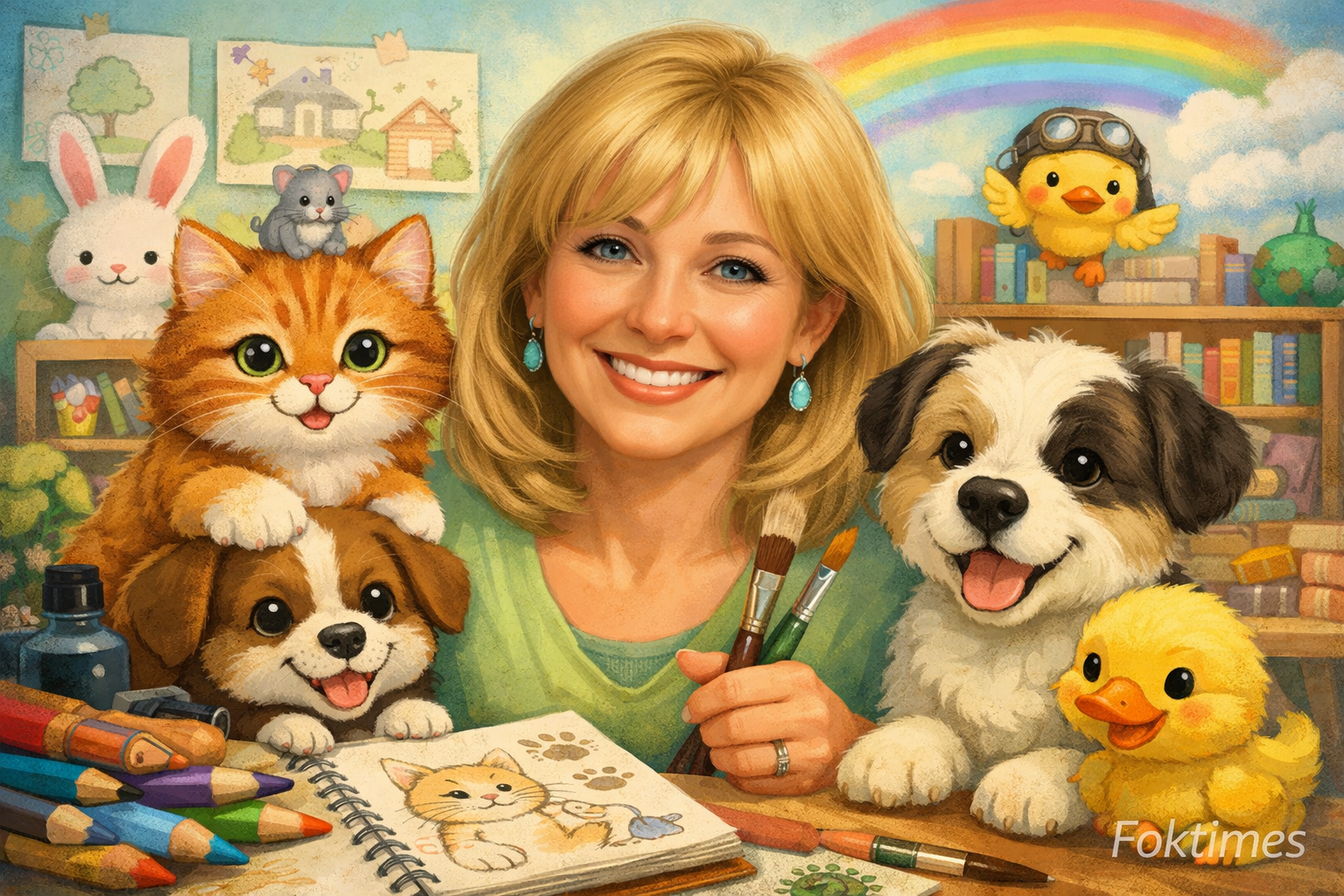
The keyword “gailgreencatinchi” does not appear to be an official brand name or published title. Instead, it seems to be a blended search phrase associated with Gail Green, an artist, illustrator, and creative professional known for her work with animals, character design, and artistic education.
Sometimes search terms evolve organically. A name might merge with another word, a nickname, or a brand reference. Over time the combined phrase can appear frequently enough that search engines begin indexing it. When this happens, people continue searching the same term, which strengthens its online presence.
In the case of “gailgreencatinchi,” the phrase is commonly linked with curiosity about Gail Green’s artistic work, particularly her animal-themed illustrations and creative projects.
Who Is Gail Green?
Gail Green is recognized as an illustrator, designer, and creative educator who has spent years developing artistic projects centered on imagination, storytelling, and animals. Her career spans multiple creative disciplines including illustration, publishing, product development, and teaching.
Many artists build their careers around a single medium. Gail Green’s approach is broader. She combines illustration with writing, educational workshops, and character creation. This approach allows her work to reach audiences through different forms such as books, craft projects, and licensed artwork.
Her creative work often reflects warmth and personality. Animals frequently appear in her designs, bringing emotional connection and charm to her illustrations. This focus on animals has helped shape a recognizable style that resonates with families, pet lovers, and creative communities.
Over time, artists like Gail Green often expand their work beyond simple illustration. They develop characters, stories, and product ideas that transform artwork into creative brands.
The Creative World Behind the Name
To understand why people search for terms like “gailgreencatinchi,” it helps to look at the broader creative ecosystem surrounding artists today. Modern creators are rarely limited to a single platform or role.
An illustrator might also be a writer. A designer may also develop licensed products. A craft expert may teach classes while publishing creative guides. This multi‑layered career path is increasingly common for artists who want to reach wider audiences.
Gail Green represents this kind of creative versatility. Her work touches multiple areas including illustration, teaching, and creative product development. By building characters and artistic themes that can move across formats, artists create opportunities for books, gifts, prints, and other products.
Because of this diversity, search terms connected to artists can become complex. Some people search for a character name. Others search for a brand or illustration style. Occasionally those searches blend together and produce unusual phrases like “gailgreencatinchi.”
How Search Behavior Creates New Keywords
The internet has changed how names travel. In the past, people discovered artists through galleries, magazines, or bookstores. Today discovery happens through search engines, recommendation algorithms, and social media.
This shift means that search phrases are often shaped by memory rather than accuracy. Someone might remember part of a name but not the full spelling. Another user may combine two words they saw together on a webpage. Over time those fragments become searchable terms.
Search engines then record how often those phrases appear. When enough people search the same unusual phrase, it begins showing up in results and suggested searches. That process gradually transforms a random phrase into a recognized keyword.
The phrase “gailgreencatinchi” appears to follow this pattern. It likely originated from a mixture of a name and another term associated with artistic or animal‑themed content. As the phrase circulated online, it started gaining attention through search activity.
Why Artists Often Become Searchable Brands
Creative professionals increasingly function as brands. Their names represent more than just authorship. They represent a recognizable style, emotional tone, and creative identity.
When audiences connect with an artist’s work, they often search for the creator directly. Instead of looking for a specific product, they search the artist’s name. This behavior allows people to explore the entire body of work connected to that creator.
Artists who build memorable characters or emotional themes often gain stronger search recognition. People remember the feeling of the work even if they forget exact titles or product names.
Gail Green’s creative focus on animals and warm character design fits this pattern well. Artistic styles that evoke emotion tend to stay in people’s memory, which encourages curiosity and repeat searches.
This is one reason unusual keywords related to creative figures continue appearing online. They reflect the natural way audiences explore the work of artists they discover.
The Role of Character Design in Creative Success
Character design plays a major role in the long‑term success of many artists. Memorable characters allow illustrations to expand into stories, products, and creative communities.
When a character resonates with audiences, it becomes easier to build a world around it. Books, greeting cards, prints, toys, and other products can grow from the same creative foundation. This approach has been used successfully across many creative industries, including children’s publishing, animation, and gift products.
Artists who design expressive animal characters often build particularly strong connections with audiences. Animals naturally convey personality and emotion, making them ideal subjects for storytelling and visual art.
The interest surrounding “gailgreencatinchi” may reflect curiosity about this kind of character‑based artwork. Online audiences frequently search for artists who specialize in imaginative animal illustrations and warm, approachable visual styles.
Digital Identity and Creative Discovery
The internet has transformed the relationship between artists and audiences. Creative discovery now happens continuously through search engines and digital platforms.
Instead of relying on traditional publishing routes alone, artists can share work through websites, online portfolios, and digital communities. This allows their work to reach global audiences much faster than in previous decades.
However, this expanded visibility also introduces complexity. As names and projects circulate online, variations and unusual keywords begin appearing in search results. These phrases may not originate from the artist directly, yet they still become part of the digital conversation around their work.
The keyword “gailgreencatinchi” illustrates this phenomenon clearly. It shows how the internet sometimes builds its own vocabulary around creative figures.
Understanding this process helps explain why unusual search terms continue appearing even when they are not official brand names.
The Importance of Authentic Creative Voices
In a world filled with automated content and algorithm‑driven trends, authentic creative voices remain extremely valuable. Artists who build genuine connections with audiences often develop loyal communities around their work.
Authenticity in art does not mean perfection. Instead, it means expressing ideas, emotions, and stories in a way that feels real to viewers. When audiences recognize that authenticity, they tend to remember the artist behind the work.
Over time, those memories turn into searches. People look up the creator, explore their projects, and share their discoveries with others.
This cycle of discovery and curiosity helps creative professionals maintain visibility online. Even unusual search terms like “gailgreencatinchi” can be part of that process because they lead people back to the artist’s work.
Conclusion
The keyword “gailgreencatinchi” may seem mysterious at first, but it reflects a common pattern in today’s digital environment. Search phrases often evolve from fragments of memory, blended names, or repeated curiosity across the internet.
Behind this unusual term is a connection to the creative work of Gail Green, an artist whose career combines illustration, storytelling, and artistic education. Her work demonstrates how creative professionals can expand beyond traditional boundaries to build meaningful artistic identities.
The story of this keyword also reveals something important about online discovery. The internet does not always organize information neatly. Instead, it reflects the way people think, remember, and explore.
When audiences connect with art, they search for it in whatever way they can remember. Those searches form the pathways that lead others to the same work.
In that sense, “gailgreencatinchi” is more than just an unusual phrase. It represents the evolving relationship between creativity, identity, and digital discovery in the modern internet age.