
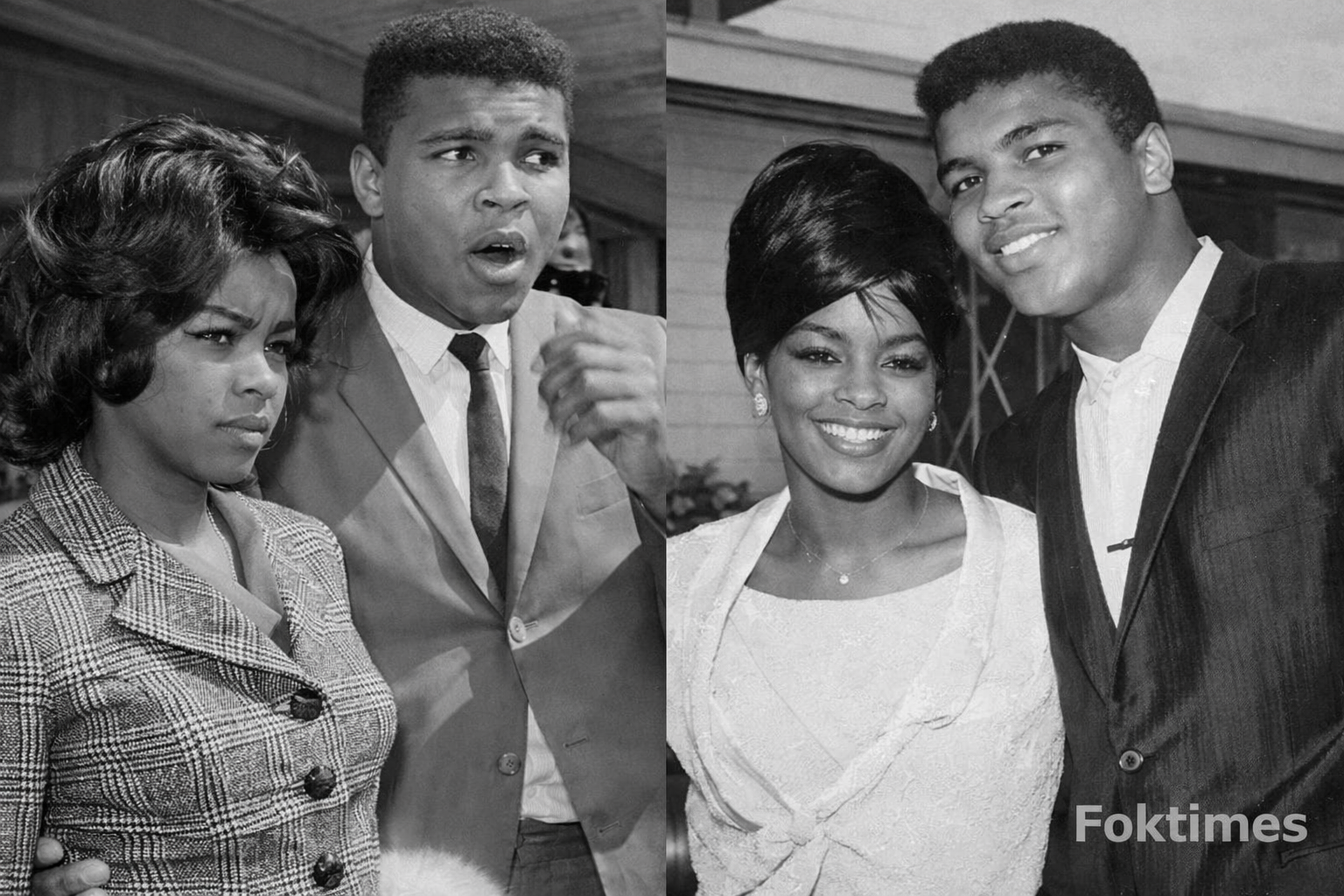
History often remembers the most famous names, but the people who briefly stand beside them can carry stories just as compelling. Sonji Roi is one such figure. Known primarily as the first wife of boxing legend Muhammad Ali, Roi lived a life that intersected with one of the most transformative moments in sports and cultural history. Her brief marriage to Ali in 1964 placed her in the spotlight during a time when the young champion was redefining his identity, faith, and public image.
Although her time in the public eye was short, Sonji Roi remains a fascinating figure. Her story reflects the pressures of fame, the cultural shifts of the 1960s, and the personal struggles that often accompany sudden celebrity. Understanding her life offers a deeper perspective on the early years of Muhammad Ali and the human stories that surrounded his rise to global fame.
Early Life of Sonji Roi
Details about Sonji Roi’s early life are limited, which has contributed to the mystery surrounding her story. She was born in the United States and spent much of her early life in Chicago, a city that during the 1950s and 1960s was filled with cultural energy and social change. Chicago was known for its vibrant nightlife, music scene, and fashion culture, and Roi was drawn to that environment.
Before meeting Muhammad Ali, Sonji Roi worked in the modeling and nightlife scene. Friends and acquaintances often described her as stylish, confident, and socially active. She enjoyed fashion, dancing, and the excitement of city life. In many ways, she represented the modern and independent young women emerging during the early 1960s.
Yet her life would soon change dramatically after meeting one of the most famous athletes of the era.
Meeting Muhammad Ali
Sonji Roi met Muhammad Ali, then still widely known as Cassius Clay, during the early 1960s when he was rapidly becoming a star in the boxing world. Ali had just begun attracting national attention because of his remarkable talent, charisma, and bold personality.
Their relationship developed quickly. At the time, Ali was only in his early twenties but had already become a major figure in sports. His victory over Sonny Liston in 1964 shocked the boxing world and instantly made him the heavyweight champion of the world.
Shortly after this historic victory, Ali and Sonji Roi decided to marry. The couple tied the knot on August 14, 1964. Their wedding attracted significant media attention because Ali had suddenly become one of the most talked‑about athletes in America.
For Roi, the marriage meant stepping directly into the global spotlight.
Marriage During a Time of Change
The timing of Sonji Roi’s marriage to Muhammad Ali could not have been more dramatic. In 1964, Ali publicly announced his conversion to Islam and his association with the Nation of Islam. He also began distancing himself from the name Cassius Clay and adopting the name Muhammad Ali.
These decisions were controversial at the time and sparked intense media debate. Ali’s personal life suddenly became part of a larger cultural conversation about religion, race, and identity in America.
Sonji Roi found herself at the center of this storm. While Ali was embracing a new religious lifestyle, Roi reportedly maintained a more independent and modern outlook on life. She enjoyed social gatherings, fashionable clothing, and a lifestyle that sometimes conflicted with the expectations placed on Ali as he deepened his religious commitments.
This contrast created tension within the marriage.
Challenges Within the Relationship
Although the couple appeared glamorous in public photographs, their relationship soon faced difficulties. Ali’s growing connection with the Nation of Islam introduced new expectations regarding personal behavior and lifestyle.
According to many biographical accounts, Sonji Roi was not interested in changing her lifestyle to meet those expectations. She preferred the freedom and social life she had always enjoyed.
The difference in values between the two became increasingly clear. Ali was moving toward a disciplined spiritual identity, while Roi continued embracing a more modern and independent lifestyle.
Within less than a year, these differences placed significant strain on their marriage.
Divorce and Life After Muhammad Ali
The marriage between Sonji Roi and Muhammad Ali ended in divorce in early 1965, less than twelve months after their wedding. Although the marriage was brief, it marked an important chapter in the early life of the future boxing legend.
After the divorce, Sonji Roi gradually stepped away from the public spotlight. Unlike many individuals connected to celebrities, she did not attempt to build a long‑term media presence or capitalize on her association with Ali.
Instead, she returned to a more private life. Records indicate that she later remarried and continued living in Chicago.
Her decision to remain largely out of the public eye contributed to the mystery surrounding her later years.
Sonji Roi’s Later Years
Information about Sonji Roi’s later life remains limited, but available records suggest she lived quietly for decades after her marriage to Ali ended. She eventually became known as Sonji Roi Glover after remarrying.
Unlike the global fame that followed Muhammad Ali, Roi’s life took a much more private path. She was rarely interviewed, and she did not actively participate in public discussions about Ali’s career or legacy.
This silence has left historians and readers with only fragments of her personal story. Yet those fragments still offer a glimpse into the life of a woman who once stood beside one of the most iconic figures in sports history.
Why Sonji Roi’s Story Still Matters
Although Sonji Roi is often remembered simply as Muhammad Ali’s first wife, her story carries deeper meaning. She represents a person whose life briefly intersected with a historic moment in American culture.
The 1960s were a period of dramatic social transformation. Issues of race, religion, civil rights, and identity were shaping national conversations. Muhammad Ali became a central voice in those debates, and anyone close to him during that period inevitably became part of the story.
Sonji Roi’s experience illustrates the personal challenges that can arise when private relationships unfold under intense public attention. Her story reminds us that history is not only shaped by famous individuals but also by the people who share their lives.
Legacy and Cultural Memory
Today, Sonji Roi is often mentioned in biographies and documentaries about Muhammad Ali’s early career. While she did not remain in the spotlight for long, her place in Ali’s personal history ensures that her name continues to appear in discussions about his life.
Photographs from the early 1960s still capture moments of their brief marriage. In those images, Roi appears confident, stylish, and poised beside a young champion who had just begun his extraordinary journey.
Her story may not be as widely documented as Ali’s, but it remains an important piece of the broader narrative surrounding one of the greatest athletes in history.
Conclusion
Sonji Roi’s life is a reminder that history often focuses on legends while overlooking the individuals who briefly share their path. As Muhammad Ali’s first wife, she entered the public eye at a time when his life and career were rapidly evolving.
Their marriage lasted less than a year, yet it occurred during one of the most significant turning points in Ali’s life. While he continued to build a legacy that would influence sports, culture, and politics worldwide, Roi chose a quieter path away from the spotlight.
Even with limited records about her later life, Sonji Roi remains an intriguing historical figure. Her story adds depth to the narrative of Muhammad Ali’s early years and reminds us that behind every public legend are private relationships that helped shape the journey.